

The Ultimate Besakih Temple & Cultural Discovery
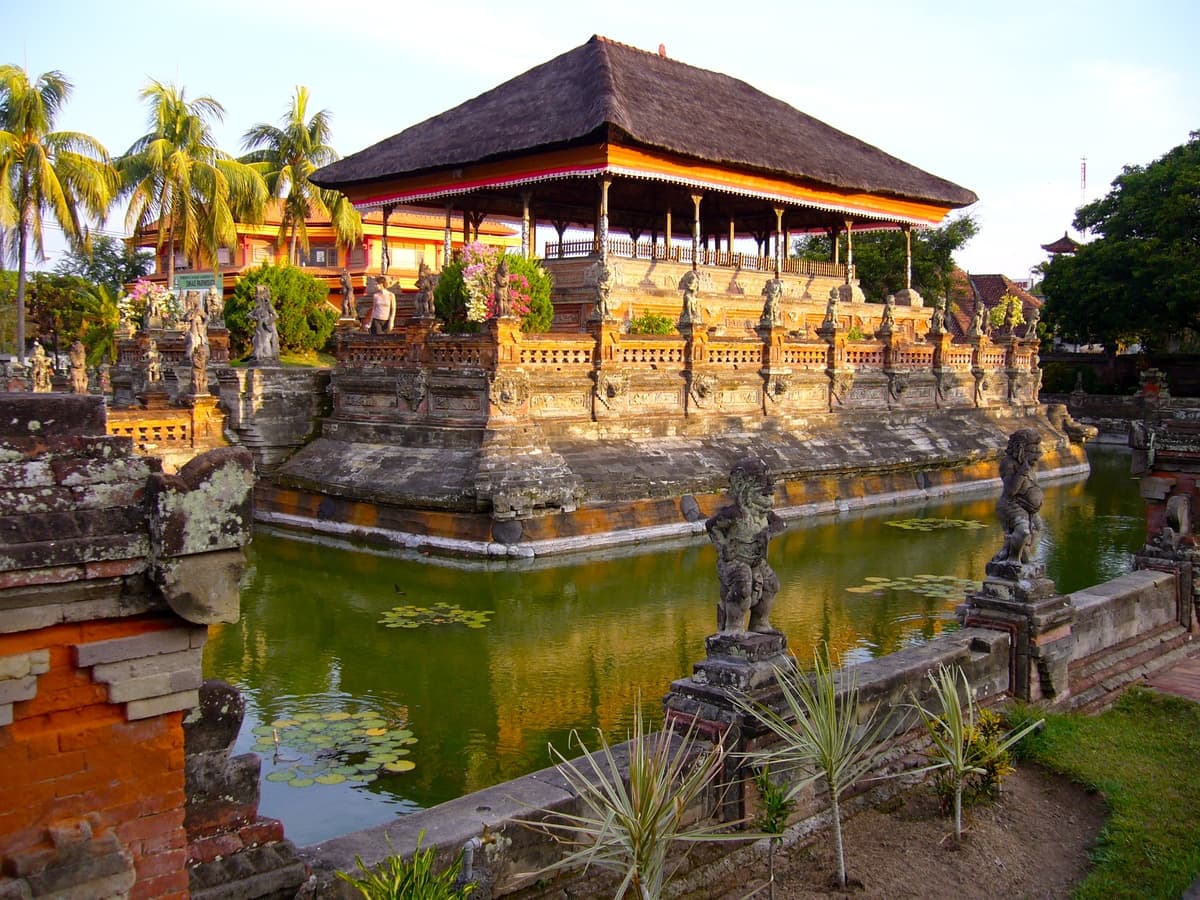
Kerta Gosa Ancient Justice Court Palace is an ancient building designed with Balinese architecture that is an open house as jurisdiction place where the king announce the legislation, jurisdiction, penalization
Goa Gajah Temple or known a s Elephant Cave Temple is an ancient omission in the form of a cave with the high value of art and history
Known that since the 15th century, It was regarded as the central temple of Hinduism in Bali.
Known that since the 15th century, It was regarded as the central temple of Hinduism in Bali.
Goa Gajah Temple is one of tourist destinations worth to visit in Bali that is visited by a lot of tourists.
Besakih Temple also known as Pura Penataran Agung, is Bali's main place of worship, a complex comprising twenty-two temples set on parallel ridges
Every Details of Tour Package The Ultimate Besakih Temple & Cultural Discovery
Enjoy a cultural Bali tour to Goa Gajah Temple, home to a mystical cave and ancient relics. Visit Besakih Temple, Bali’s largest and most sacred temple complex. Savor lunch with rice field and mountain views at Bukit Jambul, then explore Kerta Gosa, a historic royal court known for Balinese architecture and classical ceiling paintings.
Book With Us on Social Media


Or Directly From Website
Start Booking NowOverview
Included Features
Pickup & DropOff
Accessibility
Pricing & Options
Global Description
The Ultimate Besakih Temple & Cultural Discovery, a story through Bali’s sacred heart
Step into the spiritual soul of East Bali where ancient stones carry whispered prayers, mountain winds feel like blessings, and every offering tells a living story. The Ultimate Besakih Temple & Cultural Discovery opens a gentle doorway into the island’s most meaningful places, guiding you from Goa Gajah Temple, to the Mother Temple of Besakih on the slopes of Mount Agung, to the sweeping green of Bukit Jambul, and finally to the royal heritage of Kerta Gosa in Klungkung. It is not about rushing from sight to sight, it is about moving at the rhythm of Bali, listening, feeling, and observing, while culture unfolds like a patient sunrise.
Every step in this journey is designed to connect you with Balinese Hindu culture, traditional architecture, timeless rituals, and the calm of rice-terraced valleys. You will meet the island through symbols and stories, through incense and temple bells, through the kindness of locals who keep their traditions alive. This is more than a visit, it is a respectful immersion into a living heritage that thrives under the watchful presence of Mount Agung.
Entering ancient Bali, the quiet power of Goa Gajah Temple
In the soft morning light, Goa Gajah Temple, often called the Elephant Cave, feels both mysterious and welcoming. The entrance is carved with swirling stone reliefs, a mouth-like opening guarded by figures that seem to breathe with history. You step closer, and the air cools, scented with earth and incense. The cave is simple inside, yet you can feel centuries of meditation woven into the rock. Candles flicker, shadows bow, and the silence is full of presence.
Outside the cave, ancient bathing pools reflect the sky, framed by guardian statues that pour water with silent grace. Mossy stones line gentle stairways, and the green of the jungle folds around you like a protective palm. Here you can pause, breathe, and settle into the pace of East Bali, a pace that invites observation. You notice the canang sari offerings, the textures of old stone, the sound of flowing water. You begin to understand that Balinese spirituality lives in every detail, humble and beautiful, grounded and serene.
As you wander through Goa Gajah, you do not hurry. You let the site introduce itself, one element at a time, until it becomes a gentle prologue to the deeper cultural heart you are about to explore. The cave is not only an archaeological treasure, it is a feeling, a threshold where myth meets history, and where travelers shift from visitors to participants in a living tradition.
Besakih, Mother Temple of Bali, a pilgrimage of light on Mount Agung
Besakih Temple, known as the Mother Temple, rests upon the sacred slopes of Mount Agung. Terraces rise like steps to the sky, gates open in perfect symmetry, and meru towers lift their dark, graceful roofs against the mountain light. The air feels pure here, touched by altitude and ceremony. Every courtyard, every shrine, holds a fragment of Bali’s spiritual architecture, composed in harmony with the land.
Walking through the split gates, you feel the balance that underlies Balinese design, a balance that mirrors the island’s philosophy of Tri Hita Karana, the harmony between human, nature, and the divine. The stone is warm under the sun, and yet the mountain breeze cools your skin. Priests prepare sacred water, families bring offerings woven from palm leaves, and the soft music of the gamelan sometimes drifts through the complex like a blessing carried by the wind.
Besakih Temple tour is not just a list of shrines. It is a passage through layers of meaning. You will see altars dedicated to different deities, witness the artistry of carved gates, and sense how the temple aligns with the contours of Mount Agung. You may notice how the light changes as you move upward, how views open to rice terraces and distant valleys, how the smell of incense mixes with mountain air. It is a place where architecture and landscape speak a single language, precise and poetic.
Symbolism, architecture, and living ritual
At Besakih, the symbolism is everywhere. Meru towers rise in odd-numbered tiers, their black thatch made from palm fiber layering like soft shadows. Stone guardians stand by gateways, not as decoration, but as keepers of balance. The courtyards arrange themselves from outer to inner, a quiet movement from public space to increasing sacredness. This spatial rhythm is not accidental, it is a map of spiritual approach. You do not rush to the center, you earn it through awareness.
Rituals breathe life into stone. You may see families dressed in white and gold, moving with humility. Flowers, rice, and incense are offered with precise gestures, bringing gratitude into form. The sound of prayer rises and falls, and the temple’s energy feels steady, ancient, grounded. In these moments, the idea of a Mother Temple becomes clear. Besakih is not a museum, it is a living heart, pumping culture and faith into the island’s veins.
Moments of stillness and mountain views
Between courtyards, you pause. The light on the stone changes, clouds pass over Mount Agung, and shadows drift across the terraces. You look out, and East Bali stretches into a tapestry of fields, villages, and valleys. The view is not simply distant, it is connected, as if the landscape itself were part of the temple’s design. These are the moments you remember, small pauses that expand into wonder.
Bukit Jambul, panoramas of rice terraces and sky
Leaving Besakih’s sacred geometry, you arrive at Bukit Jambul viewpoint, a ridge where horizon and hillside meet in elegant lines. Terraced rice fields step down like green amphitheaters. Coconut palms rise in calm silhouettes. The air carries a light breeze, and the colors feel washed clean by the sky. This is East Bali in its most peaceful register, generous and open.
Here, time loosens. You sit and look, and the landscape speaks in simple truths. The patterns of the terraces reveal human patience. The distant shimmer of the sea suggests quiet endings. The mountain holds the whole scene like a guardian. Whether you admire it in silence or share it in conversation, Bukit Jambul offers a perfect interlude, a deep breath between living histories.
Kerta Gosa, royal heritage and story-painted ceilings
In Klungkung, the elegance of Kerta Gosa invites a different kind of attention, one shaped by art, law, and history. The pavilion stands over a lotus-filled pond, its wooden ceiling painted in Kamasan style, each panel a narrative scene that blends epic legend with moral reflection. You look up, and characters unfold in vibrant color. Justice is not abstract here, it is a story told through images, guiding the eyes and instructing the heart.
The lines are precise, the colors earthy and bright, and the lessons clear. In these paintings, you see the union of culture and governance, the way a royal court could teach through beauty. The serenity of the water below, the geometry of the pavilion, the harmony of proportions, all reinforce the feeling that East Bali heritage is refined and thoughtful, rooted in both art and ethics.
Threads that bind East Bali, culture in everyday life
Between temples and palaces, life hums in steady rhythms. Villagers weave, carve, paint, and prepare offerings. Children laugh near schoolyards. Roosters call in the distance. The island does not perform for visitors, it practices its traditions regardless of who is watching. That constancy is what makes the experience so authentic. When you enter this world with respect, it welcomes you with grace.
Along the road, you may notice stone carvers at work, their chisels tapping a patient beat. You may see women carrying bright offerings, balanced like crowns. Markets sell fruit that tastes like sunshine, and spices that carry the memory of trade winds. Every detail adds another layer to your understanding of Bali’s cultural fabric, textured by ritual, season, and skill.
Feeling the flow of a cultural journey, not a race
This experience is not about checking boxes. It is about moving with intention, letting each place reveal itself at its own pace. You enter the quiet of Goa Gajah Temple, absorb the sacred altitude of Besakih, soften into the wide view at Bukit Jambul, and read the stories painted across the ceiling at Kerta Gosa. Step by step, the arc of East Bali becomes clear, a narrative that moves from cave to mountain to valley to court, from inner reflection to panoramic vision to civic wisdom.
By the time the day matures, you carry a mental map of the island’s values. Harmony with nature. Reverence for the divine. Respect for social order, expressed through art. These values appear in stone and paint, in rituals and terraces, in water and wind. They appear in smiles, in gestures, in the gentle way people greet you. You realize this is what makes a Besakih Temple tour more than sightseeing, it is a lesson taught by place.
Sight, sound, scent, a sensory guide to East Bali’s spirit
The memory of this journey lives in the senses as much as in photographs. Consider how each stop speaks a different language of feeling:
- Goa Gajah, cool air, damp stone, soft incense, a hush that invites inward focus
- Besakih, mountain breeze, distant bells, murmured prayers, the steady presence of Agung
- Bukit Jambul, open horizons, swaying palms, the gentle hush of terraces meeting sky
- Kerta Gosa, reflective water, painted narratives, a refined stillness shaped by history
Each place writes itself onto your senses, and together they form a complete sentence, a line of poetry that describes East Bali cultural heritage without needing many words. When you leave, you carry that sentence like a quiet talisman.
Respectful presence, a simple way to honor sacred places
Temples are homes of prayer, and the most beautiful way to visit is with humility. Dress modestly, move gently, and let your curiosity be guided by respect. Notice where locals walk and where they pause. Watch how offerings are handled, how people enter and exit courtyards, how stillness is valued. By becoming part of the temple’s rhythm, even for a moment, you enrich your own experience and protect what makes Bali special.
Photography with heart, images that remember what it felt like
Great photographs are more than perfect compositions, they are honest feelings framed by light. At Goa Gajah, morning shadows and carved stone create dramatic contrasts. At Besakih, look for lines that lead the eye from gate to mountain, from terrace to sky. At Bukit Jambul, soft layers of green under a wide horizon give your images a sense of breath. At Kerta Gosa, angle your lens upward to honor the ceiling’s stories, then capture reflections in the pond below. Move with patience. Listen before you click. Your photos will look like what it felt like to be there.
Seasonal moods, the same soul in different light
East Bali changes gently across the year, yet its essence remains. In clear months, views sweep far, colors pop, and mountain edges feel precise. After rain, the greens deepen, the air smells renewed, and clouds hang like silk across the slopes of Mount Agung. Dawn brings cool air and tender light, midday offers bright precision, late afternoon softens edges and warms the stone. No moment is wrong, each one is a different key for the same song. The temple does not depend on weather to be meaningful, it simply shines through different veils.
Culture for every traveler, connection for every pace
This cultural discovery welcomes many kinds of travelers. History lovers find context and continuity. Photographers find forms that teach them to see. Families find gentle places to pause and talk. Couples find quiet corners that make time slow down. Solo travelers find space to reflect and reset. Everyone finds something that speaks directly to them, because the island’s traditions are generous, layered, and alive.
From sacred stone to living village, Bali’s harmony revealed
By linking Goa Gajah Temple, Besakih Mother Temple, Bukit Jambul viewpoint, and Kerta Gosa, this journey traces a circle of meaning. It moves from the earth’s inner quiet to the mountain’s open light, from a valley’s panoramic calm to a court’s painted wisdom. The geometry of place becomes a teaching. The patience of terraces becomes an ethic. The elegance of the pavilion becomes a reminder that beauty is a kind of order. You begin to understand why Balinese Hindu culture has endured, why it feels whole, balanced, and deeply humane.
Details inside the details, what attentive eyes will notice
- Stone reliefs at Goa Gajah, faces and foliage intertwined, a sculpted threshold between worlds
- Offerings at Besakih, flowers, rice, and incense arranged with care, color teaching gratitude
- Meru silhouettes, tiered roofs drawing the sky downward, bringing altitude into ritual
- Rice terrace geometry at Bukit Jambul, water lines catching light, greens in a hundred shades
- Kamasan-style paintings at Kerta Gosa, narrative panels linking myth to morality
- Village life, weaving, carving, and daily prayer forming an unbroken cultural thread
These details are not small, they are the substance of the experience. They are why a Bali heritage tour feels so immersive, so complete, and so quietly transformative.
Language of the island, words that shape the experience
A few terms become companions during your visit. Canang sari, small daily offerings. Meru, the elegant tiered shrines that lift the eye. Candi bentar, split gates that invite you into sacred space. Tirta, holy water, source of blessing and purification. These words carry meanings that are both practical and poetic, and learning them adds depth to every step of your Besakih Temple tour.
The gentle arc of a meaningful day
Imagine the day as a soft curve. It begins with quiet reflection, opens into mountain light, widens into green horizons, and settles into painted wisdom. There is balance in this curve, a natural order that mirrors the island’s own values. You feel it in your body as much as in your thoughts. Not rushed, not idle, simply present. Along the way, you meet the artistry of stone and wood, the discipline of ritual, the generosity of landscape. This is the gift of East Bali cultural discovery, a gift that lasts beyond the journey itself.
Ethical footprints, honoring Bali’s living heritage
To love a place is to treat it with care. Move lightly, speak kindly, and let the culture lead. Temples are active, offerings are sacred, and every rule of etiquette is a small act of protection. By visiting with awareness, you help ensure that the Mother Temple of Besakih, the quiet grace of Goa Gajah, the terraces of Bukit Jambul, and the artistry of Kerta Gosa will welcome future travelers with the same dignity and beauty.
Closing feeling, the island within
When the journey concludes, a part of East Bali travels with you. You may find yourself remembering the way the wind felt on the terraces, the way a bell sounded in the temple, the way color and stone created harmony. You may notice a new patience, a new way of seeing, a quieter voice inside. That is the true mark of a meaningful cultural tour. It does not end when you leave, it keeps unfolding in your memory, guiding you softly toward what matters most.
The Ultimate Besakih Temple & Cultural Discovery is an invitation to step into Bali’s sacred conversation, to listen closely, to look carefully, and to carry home not just images, but understanding. From Goa Gajah Temple to Besakih Mother Temple, from Bukit Jambul viewpoint to Kerta Gosa, the path is clear, the stories are generous, and the island is ready to welcome you with a smile that feels like sunlight.
Requirements
- Modest and comfortable clothes (for visiting Besakih Temple)
- Comfortable walking shoes or sandals
- Sunscreen, hat, and sunglasses
- Camera or smartphone
- Cash for personal expenses
Itinerary
*Example Itinerary*
Hotel Pick-Up
Meet your driver at the hotel lobby and start the journey to East Bali.
isit Goa Gajah Temple
Explore the ancient Elephant Cave temple, holy bathing pools, and peaceful surrounding gardens while learning about Bali’s early spiritual history.
Visit Besakih Temple
Discover Bali’s largest and holiest temple complex located on the slopes of Mount Agung. Enjoy the cultural atmosphere and scenic mountain views.
Lunch at Bukit Jambul
Relax and enjoy lunch while admiring panoramic views of rice terraces, valleys, and Mount Agung.
Visit Kerta Gosa
isit the historical royal court of Klungkung Kingdom, famous for its traditional architecture and classical Balinese ceiling paintings.
Return to Hotel
Return to Hotel
Discover everything our tour package offers! Included features cover all the essentials for a seamless adventure: from meals and drinks to transportation, activity fees, tickets, and experienced guides, everything is arranged so you can focus on enjoying the experience. Meanwhile, excluded features like personal expenses or optional drinks give you the flexibility to tailor your journey exactly how you want. With this thoughtful combination, every trip is comfortable, convenient, and unforgettable.
- Drinking water 🥤
- English Driver 🇬🇧
- Fuel ⛽, Toll & Parking 🅿️
- Private Car 🚕
- Alcoholic Drinks 🍹
- Personal expenses 🛒
- Soft Drinks 🧉
- Activity fees 🧾(rafting, ATV, etc.)
- All taxes & service charges 💲
- Breakfast 🥐
- Dinner 🍽️
- Entrance / Temple / Attraction tickets 🎟
- Equipment / Gear rental 🪖
- Licensed local guide 👲
- Local travel / activity insurance ☂
- Lunch 🍴
- Pictures & Videos 📸
Plan your day with ease using our clear pickup and drop-off times by region. We organize all transfers based on your location to ensure a smooth, punctual start and finish to your tour. Whether you’re staying in Kuta, Seminyak, Ubud, Canggu, Nusa Dua, or other popular areas, you’ll know exactly when and where we’ll meet you and bring you back. No need to arrange your own transport or worry about timing, just be ready at the scheduled time, and we’ll handle the rest so you can relax and enjoy your Bali experience from the moment we pick you up until we drop you off.
- Canggu-
- Kuta-
- Nusa Dua-
- Sanur-
- Seminyak-
- Ubud-
- Uluwatu-
- Canggu-
- Kuta-
- Nusa Dua-
- Sanur-
- Seminyak-
- Ubud-
- Uluwatu-
Easily see if a tour matches your mobility and comfort needs with our clear accessibility labels. Each experience highlights whether it’s child-friendly, senior-friendly, wheelchair accessible, or suitable for guests with visual, hearing, or other special needs. These tags help you quickly understand how welcoming and adaptable each tour is, so every traveler, families, seniors, and guests with disabilities, can enjoy Bali safely, comfortably, and with confidence.
- Child-Friendly
- Disability-Friendly
- Hearing-Impaired Friendly
- Senior-Friendly
- Special-Needs Accessible
- Visually-Impaired Friendly
- Wheelchair Accessible
- 21+ people
- 11-20 People
- 5–10 People
- 2–4 People
- Solo
- Private Bus
- Private Car
- Scooter
- Shared Bus
- Shared Car
- By Cash
- Credit Card In-Person
- Credit Card Online
- Cryptocurrency Online
- Wise
- 5–10 People450,000
- 2–4 People650,000
- Solo1,100,000
Booking Process
- Send your booking request through our website, or directly from our social media and wait for a quick answer from one of our agent.
- Wait for the confirmation from our booking agent. They will contact you through the communication channel you provided.
- Review the details and finalize your booking with our agent, pay online or by cash, and prepare to enjoy an amazing tour full of fun and memories!
Cancellation Terms
- Cancel up to one day before your tour for a full refund on paid bookings, no questions asked!
- Cancellations on the day of the tour incur a 100% fee. Please plan ahead to secure your spot.
- If the tour is canceled due to bad weather before it starts, enjoy free cancellation with a full refund.
Book With Us on Social Media
Or Directly From Website
Start Booking NowFrequently Asked Questions
Is this tour suitable for children and elderly travelers?
Yes, the tour is family-friendly, but some temple areas have stairs and walking paths, so comfortable footwear is recommended.
What should I wear for temple visits?
Visitors should wear modest clothing that covers shoulders and knees. Sarongs and sashes are usually provided at temple entrances.
Can I customize or adjust the itinerary?
Yes, most tours are flexible and can be customized based on your preferences and time availability, including a visit to Kerta Gosa.
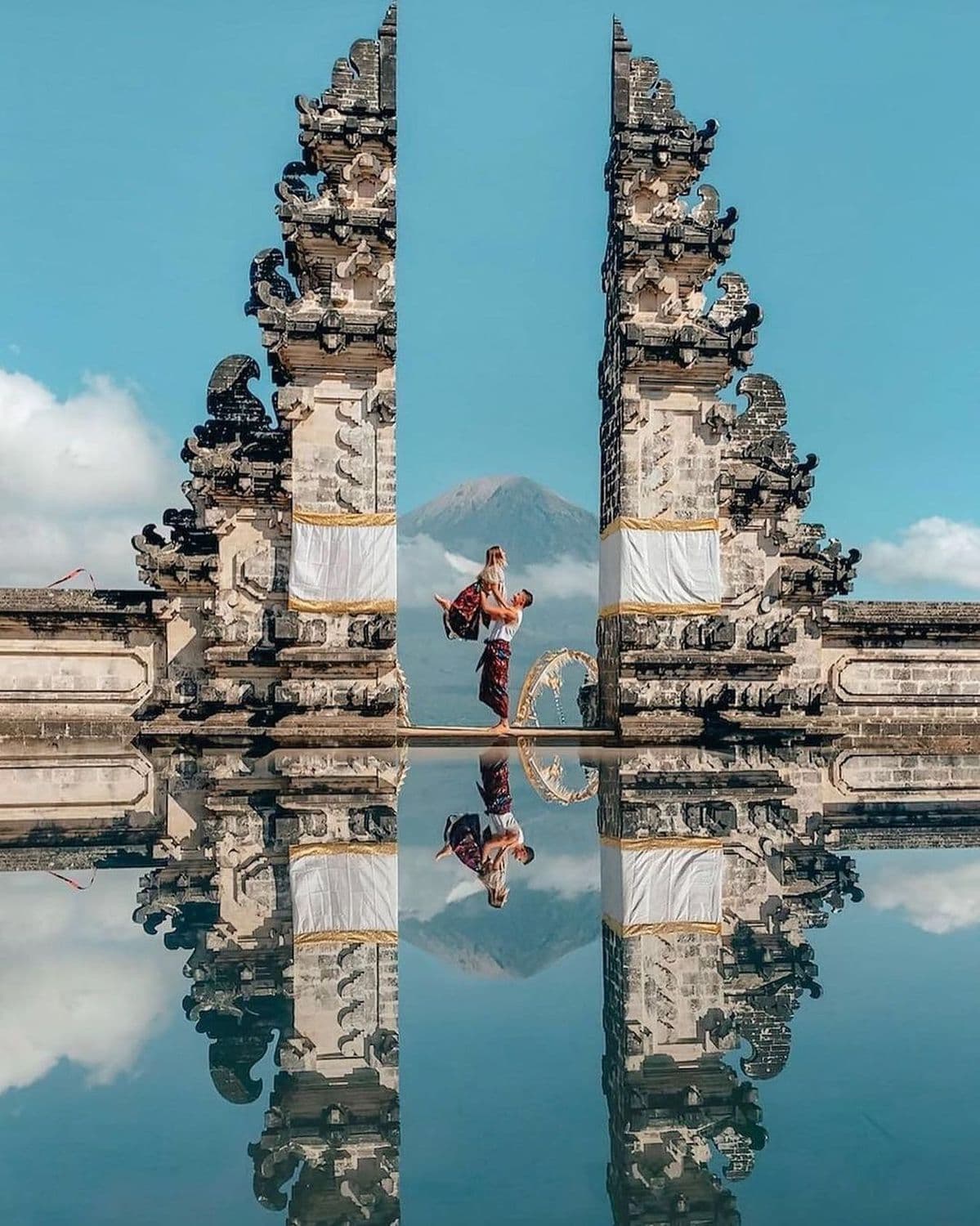
Bali Instagram Ubud Tour
Explore Bali’s most iconic photo spots in one day. From the Gate of Heaven and royal water palace to ...
Explore Bali’s most iconic photo spots in one day. From the Gate of Heaven and royal water palace to hidden waterfalls and stunning rice terraces, perfect for unforgettable photos and reels.
Ubud Cultural & Nature Tour
Visit the Batuan Temple, meet monkeys at the Sacred Monkey Forest, enjoy the stunning view of Tegala ...
Visit the Batuan Temple, meet monkeys at the Sacred Monkey Forest, enjoy the stunning view of Tegalalang Rice Terrace, and experience the holy spring water purification at Tirta Empul Temple.
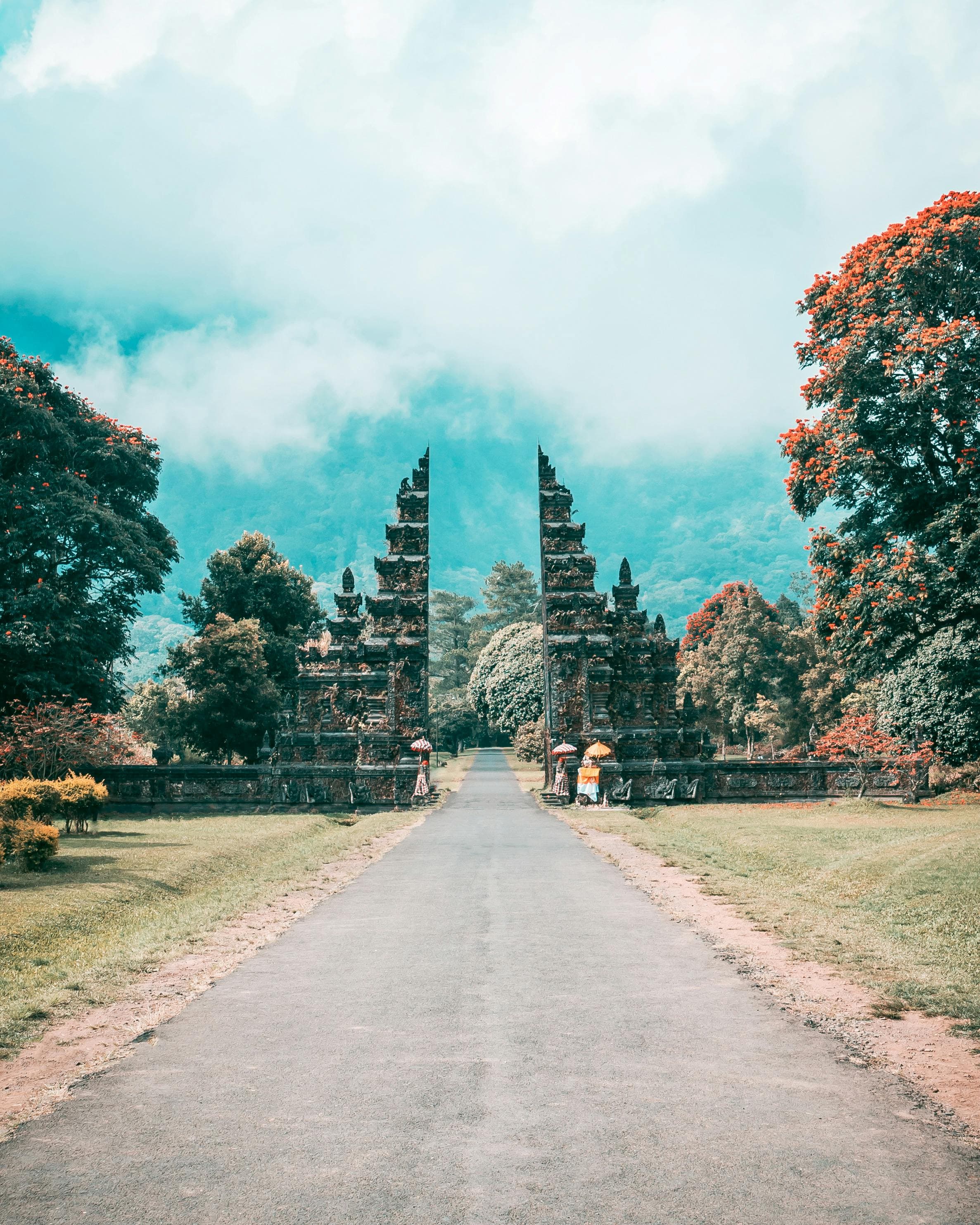
East Bali Cultural Wonders
Discover East Bali’s sacred and scenic treasures: climb to Lempuyang’s Heaven Gate, stroll through T ...
Discover East Bali’s sacred and scenic treasures: climb to Lempuyang’s Heaven Gate, stroll through Tirta Gangga’s royal gardens, and marvel at the hidden Tukad Cepung Waterfall.
Book With Us on Social Media